East Liberty top copyright Control for Effective Wildlife Management
East Liberty top copyright Control for Effective Wildlife Management
Blog Article
Professional Critter Removal: Guard Your Property and Possessions
Proper wildlife removal is critical for property owners facing various threats from wildlife invasions. These intrusions can result in major property destruction and health issues. Understanding the necessity of resolving animal problems is crucial. Knowing the warning indicators and realizing when to hire expert professionals can be transformative. But what are the most prevalent animal intruders, and how can one effectively protect from them? The answers may astonish you.
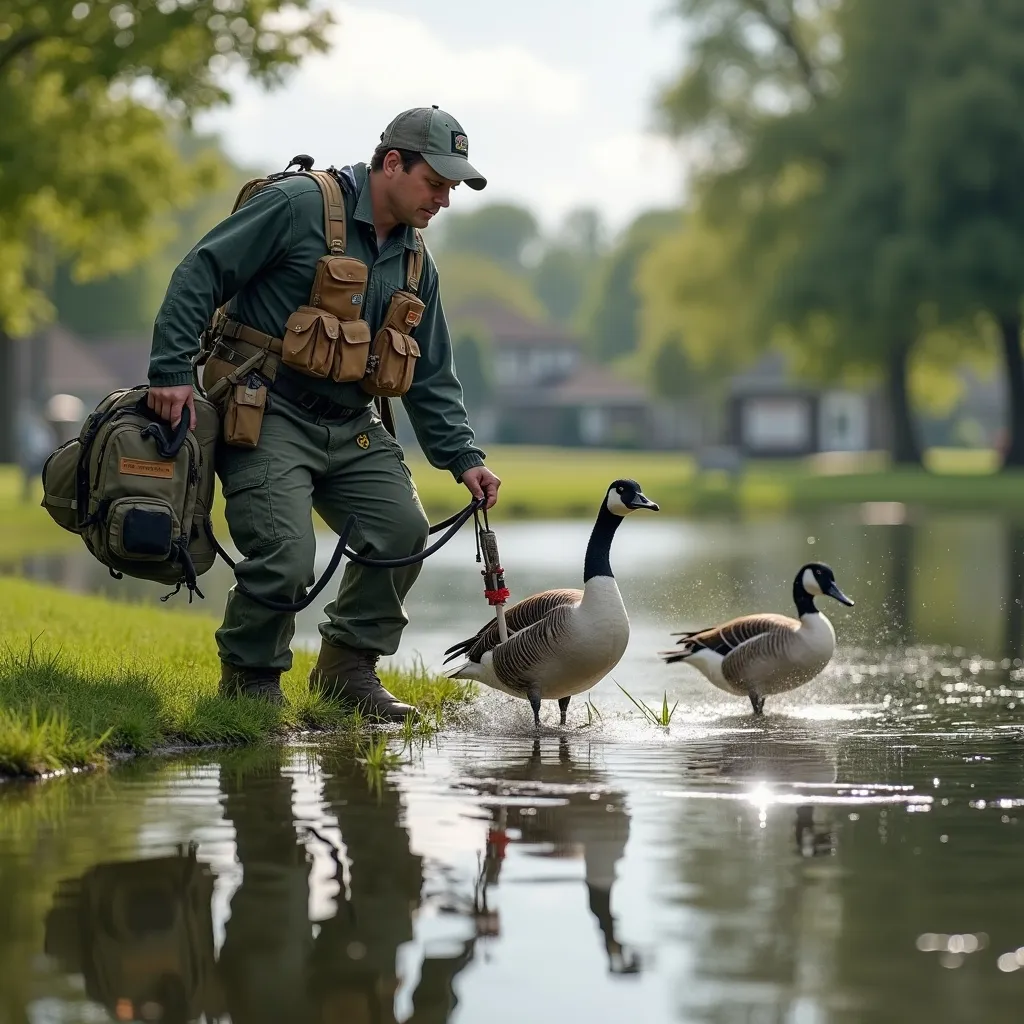
Why You Need to Move Quickly Against Wildlife Intrusions
Wildlife intrusions can escalate quickly, leading to significant damage and health risks. When animals breach residential areas, they can compromise structural integrity, chew through wiring, and contaminate food sources. Furthermore, the presence of wildlife can spread diseases, threatening serious health threats to both humans and pets. Prompt action is vital to lessen these risks and prevent further complications.
Disregarding the issue may lead to costly maintenance and substantial restoration work. Furthermore, certain species can reproduce rapidly, increasing the population and exacerbating the situation. Prompt action not only protects property but also guarantees a safer living environment.
Engaging expert wildlife control can provide workable answers tailored to specific wildlife challenges. Quick response is necessary to recover peace of mind and secure dwellings from the unpredictable nature of animal invasions. Ultimately, fast response tactics can significantly decrease the chance of prolonged deterioration and safety risks related to these incursions.
Evidence That You Possess a Wildlife Problem
How can one tell if a animal issue is lurking in the area? Multiple signs can indicate the presence of unwelcome animals. Property owners may hear strange noises, such as clawing or scurrying sounds, particularly at night. In addition, feces or tracks may appear around the East Liberty top Canada Goose Control home, revealing the type of wildlife present. Damage to materials, wires, or wood structures can also signal an intrusion, as numerous creatures look for refuge in upper spaces or crawl spaces.
An additional indicator includes gnawed food wrapping or tipped garbage, indicating foraging behavior. Furthermore, holes or tunnels near the foundation may suggest entry points for critters. Unexplained odor, often connected to habitation or debris, can be a significant red flag. Identifying these indicators early is critical for successful management and prevention, ensuring that residents can take appropriate action before the situation worsens.
Leading Perks of Specialized Wildlife Removal Services
Engaging professional wildlife removal services offers numerous perks for homeowners experiencing unwanted animal intrusions. Primarily, experts demonstrate specialized knowledge and practical background, ensuring effective and humane removal of wildlife without causing harm to the animals or the property. These professionals apply advanced techniques and tools, which can manage complex situations that homeowners might not be able to handle.
In addition, professional services commonly present meticulous assessments to uncover conceivable access openings, facilitating prevention of recurrent invasions. This proactive approach not only mitigates acute issues but also defends the home into the future. Furthermore, many wildlife removal companies include warranties or guarantees, bestowing homeowners peace of mind.
Lastly, relying on trained experts lowers the risk of injury from nature-based incidents, ensuring a safer locale for groups and pets. Overall, investing in professional wildlife removal can conserve energy, worry, and potential structural deterioration.
Spotting Prevalent Beast Intruders in Your Dwelling
Homeowners often encounter various types of wildlife that can invade their living spaces, each presenting distinct problems. Typical invaders include raccoons, squirrels, and rodents, which can wreak havoc if not handled promptly. Raccoons are famous for pillaging attics and basements, drawn to food sources or shelter. Squirrels often settle in roofs or eaves, creating possible harm to the structure. Rodents, such as mice and rats, can invade homes in pursuit of food, depositing droppings and contaminating living areas.
Furthermore, avians may get in through uncovered vents and chimneys, causing disturbance and clutter. Each type carries specific risks, such as disease transmission and property damage. Understanding the signs of these intrusions—such as droppings, nesting materials, or scratching noises—can enable homeowners take quick measures. Prompt recognition is essential in preventing additional problems and maintaining a secure and healthy home space.
Doing It Yourself compared to Professional: Which Alternative Reigns Supreme?
When deliberating on creature control, individuals often weigh the positives of DIY methods against professional services. Price, security, and prolonged success are important factors shaping this determination. Understanding these factors can aid homeowners formulate an knowledgeable decision that best meets their needs.
Cost Considerations For Extraction
Choosing between DIY wildlife removal and employing a specialist can significantly impact both duration and expenses. DIY techniques often seem cost-effective, as they typically involve minimal upfront expenses, such as purchasing traps or deterrents. Yet, hidden costs may occur from possible destruction or repeat infestations. On the other hand, professional services tend to have a higher initial fee but provide skill, promptness, and assured outcomes. Professionals have the necessary tools and knowledge to handle a range of animals carefully and efficiently, potentially saving homeowners from costly mistakes. Ultimately, the decision rests on individual circumstances, including financial limits, urgency, and the complexity of the problem. Assessing these elements helps ensure a better choice.
Safety and Health Problems
Taking part in animal extraction presents important safety and health risks, especially when people attempt it without help. Untrained persons may face hostile wildlife, causing potential bites or injuries. Also, many wildlife species contain diseases like rabies, hantavirus, or leptospirosis, posing serious health threats to those not properly prepared to address them. Improper handling may also result in exposure to parasites like ticks or fleas, further threatening health. On the other hand, professional wildlife removal services come with the training, tools, and knowledge to reduce these risks effectively. They follow established safety guidelines, protecting both animals and humans. In summary, the skills of professionals reduce the likelihood of accidents and health complications connected to wildlife removal.
Sustained Results Components
The enduring success of pest control methods depends upon multiple elements, particularly when contrasting DIY approaches with professional services. DIY approaches frequently lack the knowledge and equipment necessary for complete elimination and prevention strategies, leading to recurring infestations. Property owners might unintentionally miss entry points or neglect to identify the signs of a larger problem. By contrast, professionals possess specialized training and experience, allowing them to recognize and resolve issues more efficiently. They also establish preventive measures to minimize future risks. Financial factors may drive people toward DIY solutions, but investing in expert assistance can produce superior lasting outcomes. Ultimately, the decision between DIY and professional assistance should be guided by the difficulty of the animal control issue and the homeowner's commitment to funding a sustainable solution.
Effective Strategies to Prevent Wildlife Invasions
Creating successful protective tactics to reduce animal break-ins is indispensable for sustaining a safe and peaceful home. Homeowners should begin by reinforcing probable entry points. This entails sealing gaps in foundations, walls, and roofs, plus installing protective screens on vents and chimneys. Additionally, minimizing available food is core; carefully managing waste and eliminating pet food can keep wildlife at bay from drawing near.
Landscaping carries an important weight. Keeping trees maintained and caring for a spotless yard limits spots where wildlife can hide. Furthermore, deploying natural deterrents, including motion-activated lights or noise devices, can competently discourage animals from entering the property.
Consistent monitoring of the home and adjacent areas permit the early detection of potential difficulties. In summary, educating household occupants about wildlife patterns promotes awareness, facilitating proactive actions to be undertaken. By embracing these approaches, homeowners can greatly reduce the risk of undesired animal intrusions.
What Occurs During a Wildlife Removal Service?
During a wildlife removal service, professionals begin with a exhaustive initial survey to identify the degree of the difficulty. Following the analysis, humane trapping methods are implemented to safely capture the wildlife. Finally, post-removal prevention steps confirm that prospective incursions are minimized, protecting the residence from further wildlife issues.
Opening Inspection Procedure
A comprehensive inspection of the site begins wildlife removal operations to identify signs of pest activity and possible entry points. Trained professionals systematically examine both inside and outside areas, searching for droppings, nests, or deteriorated insulation, which indicate the existence of animals. They also evaluate the structural condition of the structure, looking for gaps in eaves, vents, and foundations that may permit wildlife entry. This first evaluation may require the use of advanced tools to identify hidden problems. The information gathered during this inspection is crucial for developing a tailored removal plan, guaranteeing that the method tackles the specific wildlife issue successfully while minimizing risks to the property and its inhabitants.
Compassionate Catching Approaches
Several animal control companies prioritize ethical capture techniques to ensure the safe relocation of animals. These experts apply cage traps designed to capture wildlife safely. Generally, bait is used to lure the animal, ensuring it steps into the cage willingly. Once captured, the animal is observed to minimize stress and discomfort.
Once the creature is secured, the team evaluates its health and disposition prior to relocation. This procedure frequently includes moving the animal to a specific location far from human inhabited areas, ensuring it is able to thrive in an appropriate setting. Throughout this method, the priority is on the well-being of the creature, following local laws and moral norms. By selecting humane trapping, teams promote a balanced relationship between humans and wildlife.
Post-Removal Preventive Techniques
Once the wildlife has been thoroughly removed, the next important phase focuses on prevention to confirm that related problems do not take place in the future. This involves a thorough inspection of the property to pinpoint feasible access spots, such as gaps in roofing, vents, or support structures. Sealing these entrances with correct materials is essential to deter future intruders. Additionally, house owners are suggested to maintain a orderly area by removing food sources and debris that could attract wildlife. Installing barriers, such as fences or cloth barriers, can further protect vulnerable areas. Regular maintenance and assessment of the property confirm that any symptoms of wildlife activity are addressed promptly, keeping safe both home and property from upcoming intrusions.
Commonly Asked Questions
What Local Regulations Govern Animal Control Businesses?
Local regulations for wildlife removal services usually demand authorizations, compliance with humane practices, and compliance with state laws pertaining to particular animals. These requirements guarantee the safeguarding of both wildlife and the community's health and welfare.
How Can I Securely Deter Animals Without Harming Them?
To humanely discourage wildlife, one can use humane techniques such as motion-sensor lighting, natural repellents, and secure garbage containers. Additionally, keeping areas tidy reduces attractants, prompting creatures to find alternative habitats.
Are There Specific Times of Year When Wildlife Invasions Are More Frequent?
Wildlife intrusions tend to peak during spring and fall. Spring brings young animals in need of food, while fall often sees creatures in search of warmth and shelter, amplifying the chance of confrontations with human habitats during these seasons.
How Should I Handle Discovering Abandoned Wildlife?
When you find abandoned animals, you should keep your distance while observing, refrain from touching, and reach out to local wildlife authorities or rehabilitation centers for advice, guaranteeing the animals get proper care and support from trained professionals.
In What Ways Can I Educate My Family About Wildlife Protection?
To share knowledge with the family about protecting wildlife safely, one could facilitate educational discussions, highlight information about local species, implement safe outdoor habits, and champion stewardship of wildlife habitats, advancing awareness and thoughtful engagement with nature.
Report this page